
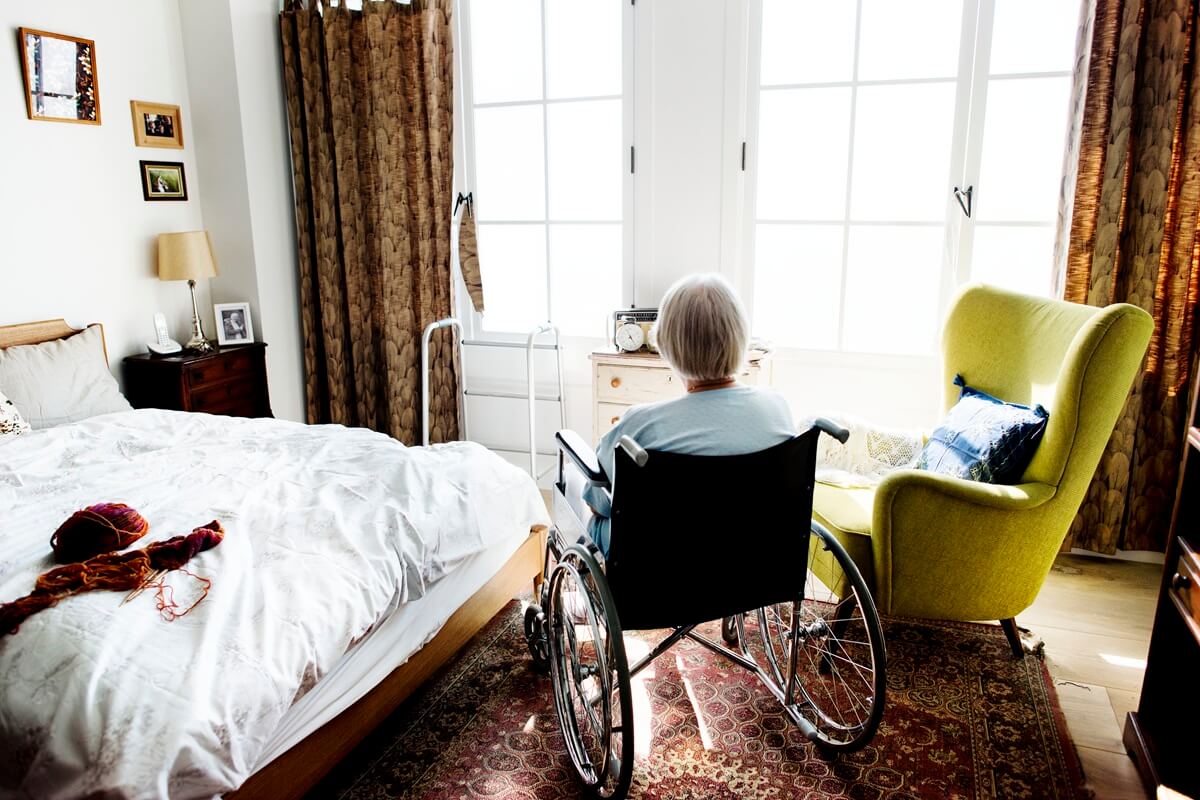
Transitioning a loved one into memory care brings a multitude of feelings, and it is one of the most emotionally complex milestones a family can face. The most emotionally charged time for families may be the car ride to memory care. Your loved one may suddenly ask, “Where are we going?” or “When can I go home? It can be overwhelming to know what to do. Even if you know they will be safe, comfortable, and supported, the first time can be hard because of worries about confusion, sadness, or refusal. There are ways to make preparing for memory care easier for everyone, and we’ll discuss them in this blog. Whether it’s talking about the transition, packing favorite items, and more, this guide will help you prepare your loved one for their first memory care stay.
Before the Move: Talking About It and Planning
Talking about a move to memory care is one of the most challenging conversations a family can have. The objective is not to convince them of the need for the move but to help them feel supported.
How Much to Explain
The amount of information you provide will be based on the level of dementia your loved one is at.
- In the Early Stages: Have the conversation in a straightforward and caring way. Allow them to participate in minor choices, like which chair to sit in, which pictures to bring, or which items to bring. This will keep them feeling a sense of control.
- Moderate to Late Stages: Give simple, reassuring explanations and discuss the move closer to the moving date. Giving information weeks before can lead to re-experiencing anxiety and distress.
- Focusing on Feeling Over Facts: Focus on the comfort, safety, and companionship of the transition to memory care, not limitations. Talk about fun experiences (e.g., favorite foods, social events, friendships, and community events that interest them). Be brief, positive, and reassuring.
Who Should Be Part of the Discussion?
The right room setup can make a huge difference. A big family meeting usually feels like an ambush, so keep the group small and familiar.
- Have One or Two Trusted Individuals: They can be family members that the loved one is comfortable with.
- Consider an Outside Voice: If your loved one isn’t accepting advice from family, consider a trusted doctor or social worker who can help explain the transition.
- Be on the Same Page: Agree on a consistent message to reduce stress and confusion.
Handling Resistance
Resistance is common. A person with dementia might not realize that they need to change, and moving may seem unnecessary or frightening. Try these approaches:
- Validate their Emotions: Do not argue. Say, “I understand this is a big change; it is okay to feel upset.
- Circumstances, Not the Person: When relevant, explain that the doctor recommends staying temporarily for additional support or to arrange the home environment. Don’t make them feel helpless or insecure.
- Know When to Stop: Select a time when they are rested and comfortable. If the conversation becomes upsetting, change the subject and try again later.
What to Bring and How to Set Up the Room
Check the community’s rules on what items are allowed, along with rules for laundry, medications, and personal appliances. Certain objects such as scissors and other sharp objects may not be permitted.
Clothing
- Wear clothing that is comfortable, easy to wear, and has an elastic waist or slip-on.
- Use breathable, washable fabrics that can be washed regularly in the commercial laundry.
- Bring an extra favorite sweater, shirt, and everyday clothing to make laundry easier.
Labeled Items
- Put your loved one’s full name on clothing, shoes, jackets, hats, and personal items. Use laundry stamps or iron-on labels.
- Label glasses cases, denture cups, hearing aid cases, and walkers to avoid confusion.
Family Photos
- Make a gallery of familiar faces with large, recent family photographs. Keep photos of children, grandchildren, and pets at eye level close to the bed or favorite chair.
- If the person is in the later stages of dementia, think about adding names and relationships to photo frames, for example, “Mary—Daughter.”
Comfort and Favorites
- Take a favorite quilt, soft blanket, pillow, or other everyday object. These belongings can provide comfort and a sense of familiarity.
- Maintain a clean, orderly environment with clear walking paths for safe movement. Avoid overdecorating, as it can cause visual confusion.
What to Leave at Home
- Expensive jewelry, cash, family heirlooms, and irreplaceable valuables.
- Too much clothing, which can make closets feel cluttered.
- Extension cords, complicated electronics, and space heaters, unless approved by the community.
Move-In Day: A Calm, Simple Plan
Moving a loved one into memory care is best when the day follows a calm, predictable routine. A quieter transition helps minimize stress and lets a caregiver build trust from the outset.
Timing
Arrive mid-morning, after breakfast, or early afternoon, after lunch. Some individuals with dementia may become more confused and tired in the late afternoon, which can help to reduce agitation if they aren’t arriving late in the day.
Who Comes Along
Keep the move-in group to 1 or 2 trusted family members. Lots of people talking, moving furniture, and unpacking boxes can overstimulate your loved one.
Keeping it Low Key
If possible, unpack clothes, set up furniture, and hang up familiar family pictures before your loved one gets here. A comfortable, neat environment can make an unfamiliar space feel more welcoming.
Keep Goodbyes Short and Simple
Don’t say goodbye for too long or in an emotional way that can make the situation more stressful. Be reassuring; let the care team lead and stay in touch.
Handing Off to the Care Team
You need to step back and let the experienced staff step in naturally for a smooth transition:
Share a Personal Profile: Describe daily activities, favorite foods, hobbies, sleep patterns, and things that might cause anxiety.
Coordinate a Natural Distraction: If possible, coordinate your departure with a meal or other social event that can serve as a natural distraction. While you’re away, ask the care team to share brief updates with you so you can stay reassured.
Trust the Staff During the First Few Days: Avoid repeated visits and goodbyes in the first 24-48 hours, as this can trigger the adjustment process again. Keep your loved one updated on the caregiver’s progress and give them time to build new relationships.
The First Weeks: Adjusting Together
The first couple of weeks of transitioning to memory care are about getting comfortable, establishing a routine, and providing emotional reassurance.
What to Expect Emotionally
Your loved one may be anxious, sad, restless, confused, or want to go home over and over. These reactions may happen as a result of the change of environment. Family members can feel relief, sadness, and guilt, as well as exhaustion from providing professional care. Allow yourself time and understand that adjustment is a process for all.
Finding Your Visit Rhythm
Limit the length and intensity of visits. Short visits may avoid overstimulation and fatigue. Pay attention to your loved one’s energy level. Share familiar foods, music, or family photos. Do not ask them to remember or correct things they have forgotten.
Seek Advice From the Care Team
Some communities suggest giving a day or two before family visits to allow residents to build rapport with the care team. Some advice: short, regular visits. Choose the approach that works best for your loved one.
Staying in Touch with Staff
Keep providing information on your loved one’s likes, dislikes, habits, interests, and comforting routines. Communication helps staff tailor care and recognize changes in mood and behavior.
Frequently Asked Questions
1. How do you explain moving to memory care to someone with dementia?
Avoid technical jargon and focus on comfort, safety, and companionship. Adjust the amount of information to their stage of dementia. Don’t overwhelm them with explanations, arguments, or unnecessary details.
2. How long does it take someone with dementia to adjust to memory care?
Adjustment varies from person to person. Some residents settle in within a few days; others take several weeks or more. Familiar things, routines, and supportive caregivers can help make the transition easier.
3. Should family members visit frequently during the first few weeks of memory care?
Adhere to the care team’s recommendations. For some residents, brief, quiet visits can help; for others, it may help to spend a little time setting up new routines. Vary the number of visits based on your loved one’s emotional reaction.
4. What if a loved one with dementia refuses to move into memory care?
Don’t argue or try to give long explanations. Acknowledge their emotions, speak calmly, and, if necessary, consult a trusted physician or social worker. Collaborate with the care team to create a caring transition plan.
5. Is it normal for someone with dementia to become more confused after moving to memory care?
Yes. New environments, routines, and people may cause temporary confusion. However, sudden or significant changes should be reported to the care team so they can assess possible medical causes.
6. What should families do if their loved one keeps asking to go home after moving into memory care?
Validate their emotions rather than focusing on where home is. Reassure them, distract them with a familiar activity, or look at family photos. Let caregivers know if these feelings continue or are causing a lot of distress.
Summerfield of Roseville—Specialized Memory Care and VIP Respite Care in Roseville
If you have a loved one who has been diagnosed with Alzheimer’s or dementia, Summerfield of Roseville can make the transition to memory care easier. Preparing for a memory care move is about more than packing belongings. It’s about supporting, caring for, and making someone you love feel safe, valued, and supported through a significant life change. With personalized routines, enhanced safety, and compassionate team members, residents can settle in and thrive at their own pace.
Families are invited to explore our memory care for both short-term and long-term stays. Discover the dedicated support available to help residents feel right at home at our premier memory care in Roseville. If you are considering memory care for your loved one, please contact us to discuss your concerns, learn about the move-in process, and learn how we can support you and your family through this transition with comfort and care.